Every
family story
is different.
I want to know
- if the family story is true.
- why this DNA match doesn't fit.
- who my biological family is.
- whether the family tree passed down to me is right.
- why I can't get past this one ancestor.
- where my ancestors came from.
- how these DNA matches are connected to me.
- what happened to the relative everyone stopped talking about.
- how far back I can realistically trace this line.
Most projects begin with one question. Sometimes the answer is in the records. Sometimes DNA changes the picture. Usually, it’s a mix of both, along with what you already know about the family, that helps everything start to make sense.
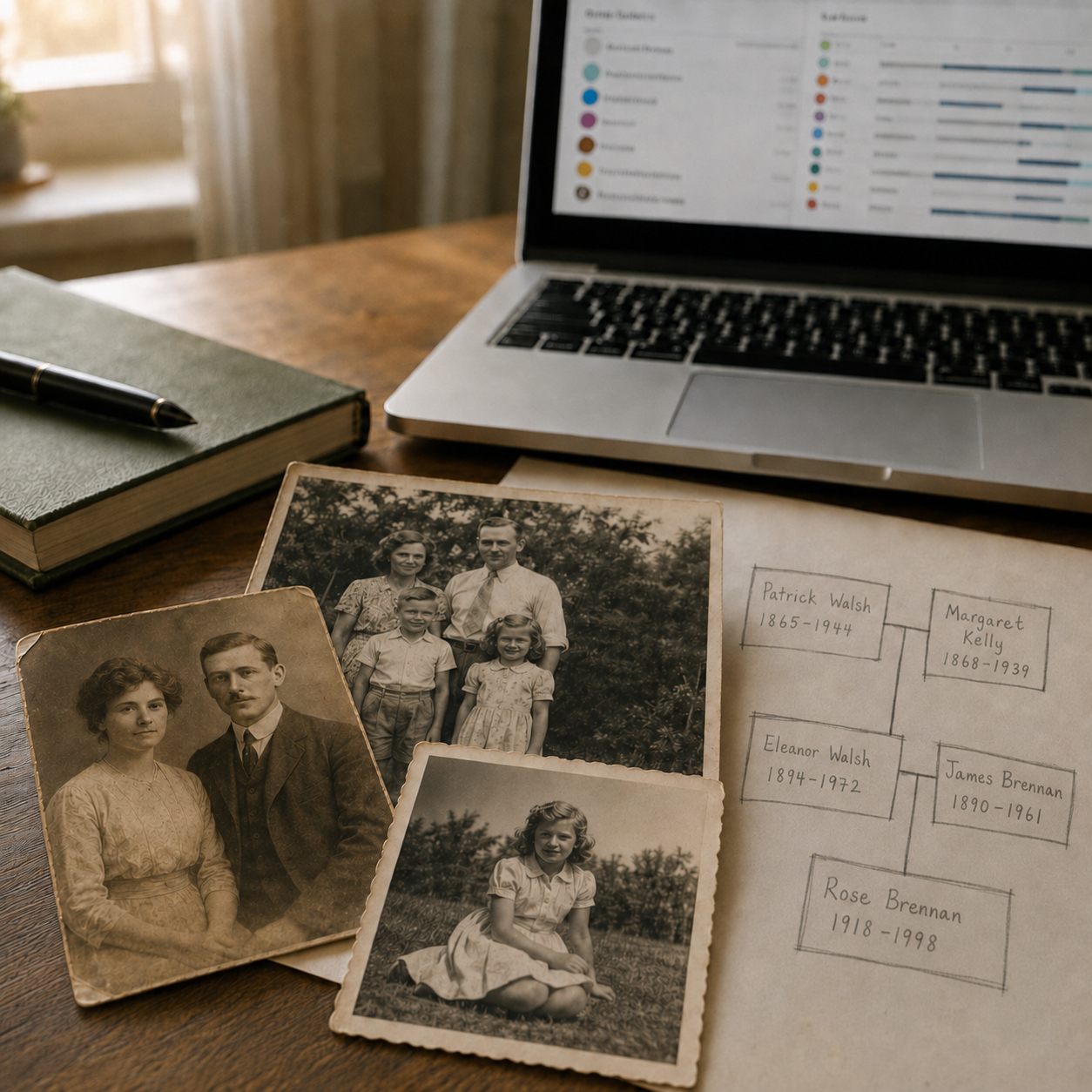
Where to start
What are you trying to figure out?
You don’t have to work out which service you need. Pick the question that sounds most like yours and I’ll show you where I’d usually start. No two of these take the same work, which is why I don’t sell packages.
What I'd usually suggest
A consultation, to start
I took a DNA test and I don’t understand what it’s telling me.
Ethnicity estimate gets a lot of attention, but your matches are usually where the more useful clues are.
We can go through your match list together, work out how those people may connect to you, and see whether your results fit the family you expected or point somewhere else.
Worth knowingA surprise in your results is more common than people think. Sometimes it helps to understand what the results are actually showing before you decide what, if anything, you want to share with your family.
What I'd usually suggest
A research project
I don't know who one of my parents or grandparents was.
The research depends on what we already know and what we’re trying to figure out. Sometimes the answer is in traditional records and family trees. Other times, DNA can help fill in the gaps. And sometimes we end up using both.
Some questions are straightforward, while others take more time. If DNA is involved, a close match can move things along quickly, while distant matches, endogamy, or a smaller pool of tested relatives can make the research take longer. And sometimes, even after a lot of work, there still isn’t enough evidence to get to a confident answer.
Before we startWe’ll talk about what you’re hoping to learn before we get started. If the research leads to a biological relative, you can decide separately whether you want to reach out.
What I'd usually suggest
Research, or a second opinion
I've been stuck on the same ancestor for years.
Sometimes a brick wall really is a missing record. Other times, it comes from an assumption that was made years ago, a detail that got overlooked, or a record that just isn’t easy to find.
I usually start by looking at what you already have and testing the conclusions that have been made so far. From there, I can look for other records, people, places, or clues that may have been missed.
Bring the messy notesYears of your own research are helpful, even if they aren’t perfectly organized. They show me what you’ve already tried and where the research may need a fresh look.
What I'd usually suggest
A second opinion
Someone else researched my family, and I’d like another set of eyes on what they found.
Maybe you inherited a family tree, found information in an online tree, were given research by a relative, or had someone else work on your genealogy. If you’re not sure where the information came from or whether the conclusions are right, I can go through the research and check what the records actually support.
Also useful forResearch you’re planning to share, publish, use for a lineage application, or keep building on
What I'd usually suggest
A research project
I want to know more about my family history, but I don’t know where to start.
This kind of research can go in a lot of directions, so we usually start by narrowing it down a little. One person, one family line, one place, or one question is enough to give us somewhere to begin.
From there, I can build out the research, look for the records that help tell the story, and give you something that makes sense beyond just a list of names and dates.
Do this nowIf you have older relatives who may know something about the family, talk to them while you can. The stories they remember may be things you won’t find anywhere else.
What I'd usually suggest
A research project
I know where my family lived in the US, but I want to know where they came from before that.
Usually, the first step is making sure we have the right family here before trying to follow them back. That can mean using census records, vital records, immigration and naturalization records, newspapers, and other sources to connect the generations and narrow down where the family came from.
From there, I can look for records in their country of origin and see how far the research can go. What’s available varies a lot by place and time period. Some countries have excellent records online, while others have gaps, limited access, or records that simply don’t go back far enough.
Good to knowInternational research depends heavily on what records exist and how accessible they are. Before we get too far into a project, I’ll look at what records are available and whether there’s a realistic path forward.
Working together
How I can help
Not sure which one fits? Send me a message and we can figure it out together.
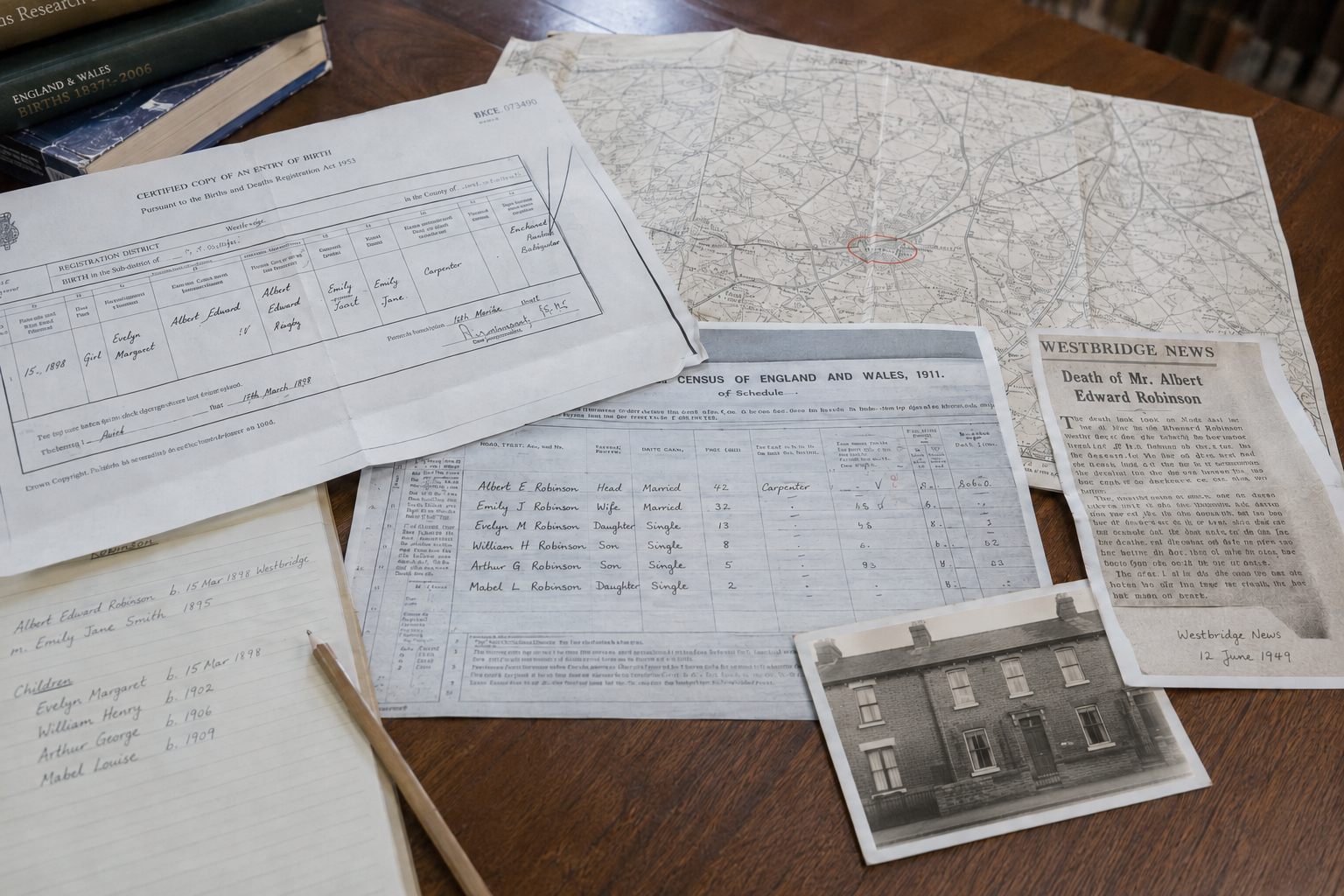
01 / Family history research
Learn more about the people who came before you.
You may have a single question, a family line you want to extend, or a research problem that has stopped moving forward. We start with what’s already known and follow the records from there.
This may be a good fit if
- You want to build or extend a family tree
- You’re trying to identify parents, spouses, or children
- You want to learn more about an ancestor’s life
- You’ve reached a difficult research problem or brick wall
- You want records and conclusions reviewed before you go further
What you’d receiveA short research block usually means a concise summary, the records located, and suggested next steps. Larger projects include a documented report and organized source material.
02 / DNA and genetic genealogy
Turn a list of DNA matches into a research plan.
DNA results can be useful, confusing, or both. I can help you understand what your matches may be telling you and combine them with family tree research to answer a specific question.
Questions this answers
- Who is this mystery DNA match?
- How might a group of matches connect?
- Can DNA help identify a biological parent or grandparent?
- Which side of the family does a match belong to?
- Why is the estimated relationship unexpected?
How the work runsShared match review, clustering, targeted tree building, common ancestor research, and testing competing possibilities against the evidence. No result can guarantee an answer, and I’ll be clear about where uncertainty remains.

03 / Consultations and second opinions
Sometimes you need a fresh set of eyes.
A focused consultation can help you understand what you have, test an assumption, organize a complicated problem, or decide what your most useful next step should be. Bring the question that keeps sending you in circles.
How it works
- 15 minutes Free introductory call. A quick conversation to talk through what you need and whether I’m the right fit. It doesn’t count toward any paid work.
- 30 minutes Coaching or quick consultation. Best for one focused question, help interpreting something specific, or figuring out your next step.
- 60 minutes Consultation or coaching session. A more in-depth working session where we can go through your question together. I may ask for materials in advance so we can make the most of the hour.
- Custom scope Second opinion. A deeper review of research, records, trees, or DNA conclusions, followed by written observations and recommended next steps.
Bring with youWhatever you already have. Notes, a family tree, DNA matches, or a report someone else wrote. Knowing what you’ve already looked at or ruled out can save a lot of time.
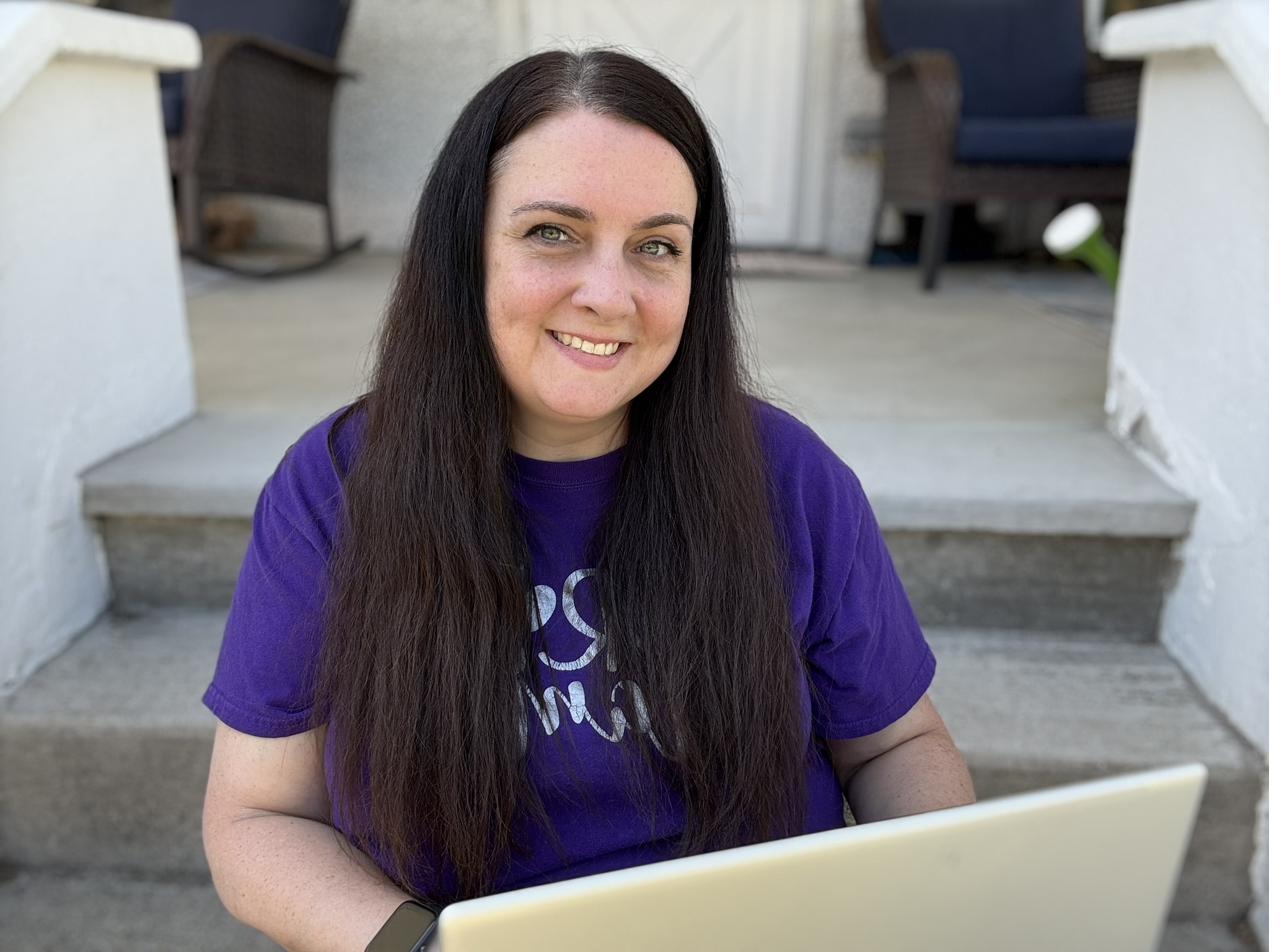
Tracie Boyle, Accredited Investigative Genetic Genealogist
How I found my way here
It started with a question about my own family.
I have been curious about family history for as long as I can remember. One of my first school projects was a family tree, and I still have the poster board with the smudged pencil.
But genealogy really became personal for me in 2012, when I began trying to learn more about my paternal grandfather. He died when my dad was very young, and there were parts of his life and our family history that no one seemed to know much about. I wanted to understand who he was, where he came from, and how the pieces fit together.
That question led to my first DNA test, hours upon hours of digging through records, building out family trees, and finding cousins I never knew I had. Before long, I was helping other people work through questions about biological family, unexpected matches, and branches of their trees that did not make sense.
The investigative side was probably not much of a surprise. My dad was a police officer, my mom loved true crime, and I spent far too much time growing up watching trials and cop shows. At one point, I was convinced I would become an FBI agent.
Instead, genealogy became the place where those interests came together.
Since 2012, I’ve worked on hundreds of genealogy, DNA, unknown parentage, and investigative genetic genealogy cases, often involving complicated family trees and questions without an obvious answer.
Boyle Genealogy is where I bring that experience back to the personal questions people have about their own families.
When I am not researching, I am usually spending time with my family and cats, watching the wildlife in our backyard, wandering through an old cemetery, going to a concert, baking sourdough, looking for something I do not need at a thrift store, or watching bad reality tv shows. I was born and raised in New Jersey and still call it home.
- Credential Accredited Investigative Genetic Genealogist (IGGAB)
- 14+ Years Experience using DNA and genealogy together to answer questions about family relationships and identity
- Experience Hundreds of genealogy, DNA, unknown parentage, and investigative genetic genealogy cases
- Specialty Making sense of DNA matches, unexpected relationships, and family trees that don’t quite add up
More from me
Speaking
Talks and presentations
Societies, libraries, conferences and podcasts, on DNA, research method and how investigative cases get solved.
Free tools
TreeScope and other tools
Import and search DNA match trees, find shared ancestors, and export GEDCOMs. Or build a source citation for information you find along the way. Free, no account.
Stay connected
A few other places to find me
Substack
Longer posts on genealogy, DNA, research methods, tools, and the questions that don’t fit into a quick social post.
YouTube
Walkthroughs, how-tos, research tools, and topics that are easier to show than explain.
Updates, speaking engagements, new posts and videos, research tips, and the occasional interesting find.
Before you write
Questions I get asked a lot.
What kinds of research do you specialize in?
Most of my work involves genealogy and DNA questions where the relationships aren’t obvious. That might mean identifying an unknown parent or grandparent, making sense of unexpected DNA matches, sorting out a complicated family tree, or revisiting research that has stalled.
I also take on traditional family history research, especially U.S. research with a lot of experience in New Jersey, New York, Irish, and English families.
Do you only work with clients in New Jersey?
No. I’m based in Northern New Jersey, but I work with clients from anywhere. Most consultations and coaching sessions happen over video or by phone, so you don’t need to be local for us to work together.
How does pricing work?
Research projects have a two-hour minimum. Genealogy research is $100 per hour and genetic genealogy research is $125 per hour.
Consultations and coaching sessions are available for $85 for 30 minutes or $150 for 60 minutes. I also offer a free 15-minute introductory call if you’re not sure which option makes the most sense or want to talk through your project before getting started.
Before any paid research begins, we’ll agree on the scope and cost.
How long will it take?
That depends on the question and what’s available to work with. Some projects come together fairly quickly, while others take more time. A close DNA match or a well-documented family line can move things along, while distant matches, endogamy, limited records, or sources that aren’t online can make the research take longer.
Once I’ve seen what you have, I can usually give you a better idea of what to expect.
Do I need to take a DNA test first?
Not always. Plenty of family history questions can be answered with records alone. But records can be incomplete, incorrect, or reflect what someone believed at the time. DNA can sometimes help confirm a relationship, challenge an assumption, or point us in a direction the paper trail doesn’t.
For unknown parentage and many biological family searches, DNA is often the best place to start. If that’s the case, I can tell you which test makes the most sense and where else you may want to upload your results before you spend money on the wrong thing.
What do you need from me to get started?
Whatever you already have is a good place to start. That might be names and dates you feel confident about, a family tree, DNA matches, old records, notes from your own research, or something another researcher put together.
It doesn’t need to be organized or complete. Even knowing what you’ve already looked at, what you’ve tried, and what seems to have been ruled out can save time and help me figure out where to start.
Will you contact my relatives or DNA matches for me?
Usually, I prefer for you to make the first contact yourself. It tends to feel more personal, and you’re the one who gets to decide what you want to say and how much you want to share.
If you’re not comfortable reaching out, I can help you figure out what to say or, in some situations, make contact for you after we’ve talked it through.
You can start messy
So what's your question?
You don’t need to have it organized, and you don’t need to know which service you need. Just tell me what you’re trying to figure out, and I can let you know what might be possible and where I’d start.
Bring what you have. We’ll sort it out from there.
Whatever you share comes directly to me and stays private. Some people reach out about things they haven’t talked about with their family yet, so you can share what you’re comfortable sharing to start. I may need to ask a few follow-up questions so I can understand the situation and what might be possible.
- hello@boylegenealogy.com
- Phone
- (201) 644-6501
- Based in
- Riverdale, New Jersey. Working with clients anywhere.